
"race wind"
200 article(s) found

A brief introduction to the planting market price of smooth and smooth Dominican boutique coffee beans
Dominica is an island country with a tropical climate, with little change in temperature throughout the year. Except for the lower temperature in the Central Cordillera Mountains, which can reach less than 0 ℃ in winter, the average annual temperature in other areas is between 25 and 30 ℃, while affected by the mountain topography, the north and east face the northeast trade wind, with an annual precipitation of 1500-2500 mm, which belongs to a tropical marine climate.
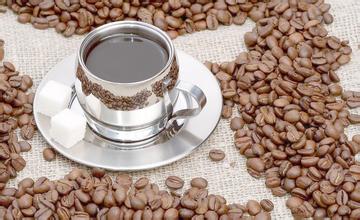
Introduction to the characteristics of high-quality coffee beans with flavor and taste in Dominica coffee producing areas
In 1677, about 4,000 French lived in 11 villages in the west of the island. In 1697, France and Spain ceded the western part of the island to France according to the Leswick Treaty of the Alliance War, formally recognizing French sovereignty over Haiti in the western part of the Spanish island, and the eastern part of the Spanish island was called East Santo Domingo. France continues to develop its agricultural economy on the island of Hispaniola.

Is El Salvador Red Honey Pacamara Coffee good? red Honey Pacama hand pulping parameters suggestion
Professional coffee knowledge exchange more coffee bean information please follow the coffee workshop (Wechat official account cafe_style) Maraka Dula (Maracaturra): why do CoE award-winning farms grow mixed-race varieties? Author: A. K. Molina special thanks to Mauricio Salaverria Micro Coffee Festival in El Salvador as a guide and introduction to Perfect

Siphon pot extraction coffee stuffy cooking time match time Japanese coffee utensils single coffee
Boutique coffee (specialty coffee) is also called specialty coffee selection coffee. It refers to coffee made from a small number of raw beans with excellent taste grown in an ideal geographical environment. Depending on the special soil and climatic conditions in which they grow, they have outstanding flavor. After strict selection and classification, this kind of coffee is hard in texture, rich in taste and stylish.

Flavor description of Brazilian Arabica Bourbon Coffee Bean
Arabica Bourbon Coffee Bean Flavor description treatment Arabica intraspecific Hybridization 1. New World (Mundo Novo): a natural hybrid of Bourbon and Sumatra iron pickup, first found in Brazil, is regarded as the new hope of the Brazilian coffee industry, so it is named the New World species. two。 Catuai: a hybrid of New World and Kaddura, bearing solid fruit

Delicious aroma Dominican coffee beans Flavor Taste Aroma Description Introduction
Dominican coffee tastes slightly different according to the altitude of the planting area. Highland coffee is sour, but the taste is rich; lowland coffee is less sour and tastes smoother. Some Dominican estates produce high-quality coffee beans that are rich in aroma, rich in taste, and moderately bright in acidity, and are often brought to the prestigious Puerto Rico or Jamaica coffee

Delightful aroma Dominican fine coffee beans grinding degree roasting degree processing method brief introduction
Dominica's mild climate is conducive to coffee cultivation, and the best production areas for coffee are the Barahona region in the southwest and the Cibao Valley in the interior north of Santiago, Dominica's second largest city. The northern region, represented by Ciba, and the southern region, including Ocayabani Santo Domingo, produce fine coffee. Among them, Santo.
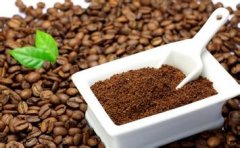
The taste of full-bodied Dominican fine coffee beans grind roasting degree processing method
The Dominican Republic is a favorite country for travelers. It borders Haiti on Hispaniola in the West Indies, Dominica to the west and Haiti to the east. The whitest, softest white beaches in the world, cool ocean breezes from the Atlantic and Caribbean and warm tropical sunshine make it a holiday paradise on par with the Maldives and Hawaii
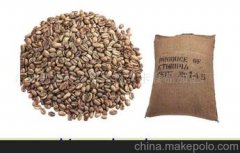
A brief introduction to the planting market price of Dominican boutique coffee beans with pleasant fragrance
The temperate climate in Dominica is conducive to coffee cultivation, and the best places to grow coffee are the Barahona region in the southwest and the Cibao Valley north of Santiago, Dominica's second largest city. The northern region, represented by Hibao, and the southern region, including Okayabani Santo Domingo, produce good coffee. Among them, Santo

Introduction of Dominica boutique coffee with full grains and excellent acidity
In 1677, about 4,000 French lived in 11 villages in the west of the island. In 1697, France and Spain ceded the western part of the island to France according to the Leswick Treaty of the Alliance War, formally recognizing French sovereignty over Haiti in the western part of the Spanish island, and the eastern part of the Spanish island was called East Santo Domingo. France continues to develop its agricultural economy on the island of Hispaniola.

A brief introduction to the market price of bright and sour Dominican boutique coffee beans
The earliest coffee in Dominica was introduced from Martinique (the overseas province of France), dating back to the early 18th century. Dominica is an island country with a tropical climate. The temperature changes little throughout the year. Except for the lower temperature in the Central Cordillera Mountains, which can reach less than 0 ℃ in winter, the annual average temperature in other areas is between 2530 ℃, which is affected by the mountain topography.

A brief introduction to the origin, development, history and culture of Dominican boutique coffee beans with pleasant fragrance
The temperate climate in Dominica is conducive to coffee cultivation, and the best places to grow coffee are the Barahona region in the southwest and the Cibao Valley north of Santiago, Dominica's second largest city. The northern region, represented by Hibao, and the southern region, including Okayabani Santo Domingo, produce good coffee. Among them, Santo
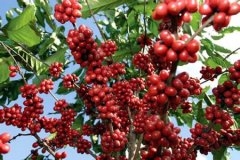
A brief introduction to the planting market price of Dominica boutique coffee beans with mellow taste
The earliest coffee in Dominica was introduced from Martinique (the overseas province of France), dating back to the early 18th century. Dominica is an island country with a tropical climate. The temperature changes little throughout the year. Except for the lower temperature in the Central Cordillera Mountains, which can reach less than 0 ℃ in winter, the annual average temperature in other areas is between 2530 ℃, which is affected by the mountain topography.

A brief introduction to the description of the flavor, taste and aroma characteristics of bright and sour Dominican coffee beans
The temperate climate in Dominica is conducive to coffee cultivation, and the best places to grow coffee are the Barahona region in the southwest and the Cibao Valley north of Santiago, Dominica's second largest city. The northern region, represented by Hibao, and the southern region, including Okayabani Santo Domingo, produce good coffee. Among them, Santo

Taste full-bodied Dominican fine coffee beans Growing conditions Location Climate Altitude Profile
The Dominican Republic has also experienced a history of turmoil and poverty. Now that the country has implemented democratic elections and entered a period of stable development, it has not yet established formal diplomatic relations with China, but maintains so-called diplomatic relations with Taiwan. It seems that these things have nothing to do with coffee, but in fact they still have an impact. The exchanges between the two countries without diplomatic relations are subject to many restrictions in all aspects. Of course, they will also

A brief introduction to the origin, development, history and culture of Dominica boutique coffee beans with bright and sour taste
The temperate climate in Dominica is conducive to coffee cultivation, and the best places to grow coffee are the Barahona region in the southwest and the Cibao Valley north of Santiago, Dominica's second largest city. The northern region, represented by Hibao, and the southern region, including Okayabani Santo Domingo, produce good coffee. Among them, Santo

Flavor and taste characteristics of Dominica Santo Domingo Coffee Manor with a winding and smooth aftertaste
In 1795, France and Spain signed the Basel Peace Treaty in Switzerland, agreeing to cede the Santo Domingo area in the eastern part of the island of Dominica to France, making the Spanish island a complete French colony. Six years later, Toussaint Lovidur, a black Haitian, led other black slaves to revolt against French rule and captured Santo Domingo in 1801.

A brief introduction to the history and culture of the origin and development of Dominican boutique coffee beans
Turning to the introduction of Dominican coffee, the most distinctive features are fresh and elegant, full of particles, excellent acidity and pleasant flavor (two colleagues agree with this). Such flavor characteristics are not only related to the variety and the quality of the soil, but also closely related to the picking and handling of raw beans. Dominica's coffee is selected by the most expensive manual method, workers.

A brief introduction to the description of taste and aroma characteristics of smooth and smooth Dominica boutique coffee beans
Turning to the introduction of Dominican coffee, the most distinctive features are fresh and elegant, full of particles, excellent acidity and pleasant flavor (two colleagues agree with this). Such flavor characteristics are not only related to the variety and the quality of the soil, but also closely related to the picking and handling of raw beans. Dominica's coffee is selected by the most expensive manual method, workers.

A brief introduction to the origin, development, history and culture of Dominica boutique coffee beans with mellow taste
The earliest coffee in Dominica was introduced from Martinique (the overseas province of France), dating back to the early 18th century. Dominica is an island country with a tropical climate. The temperature changes little throughout the year. Except for the lower temperature in the Central Cordillera Mountains, which can reach less than 0 ℃ in winter, the annual average temperature in other areas is between 2530 ℃, which is affected by the mountain topography.